

If your Tucson home was built several decades ago, there’s a chance it has polybutylene pipes. This type of plastic plumbing was widely used in residential construction from the late 1970s through the 1990s because it was inexpensive and easy to install.
The problem? Polybutylene piping can deteriorate with age, potentially leading to leaks and unexpected water damage.
That doesn’t mean every home with polybutylene pipes will experience a failure. However, if you’re buying an older Tucson home, planning a renovation, or simply unsure what type of plumbing you have, identifying the pipe material can help you make informed decisions about your home’s plumbing system.
What Are Polybutylene Pipes?
Polybutylene, commonly abbreviated as PB, is a flexible plastic material that was used for residential water-supply lines. It can be found beneath sinks, near water heaters, in garages, inside walls, and beneath floors.
Polybutylene should also not be confused with modern PEX piping, which is a different material and is commonly used in residential plumbing today. If you’re uncertain about the pipes in your Tucson home, our professional plumbers at Curtis Plumbing can inspect accessible plumbing and help determine what type of piping you have.
Why Are Polybutylene Pipes a Concern?
The primary concern with older polybutylene plumbing is deterioration over time. Exposure to treated water and certain chemicals can contribute to the breakdown of the material. As polybutylene pipes age, they can become brittle or otherwise weakened. Connections and fittings may also become vulnerable.
A failure doesn’t always happen where a pipe is visible. A leak can develop inside a wall, ceiling, or beneath a floor, allowing water to spread before you realize there’s a problem. A plumbing failure can result in:
- Water damage to walls and ceilings
- Damaged flooring and cabinetry
- Mold and moisture problems
- Loss of water service
- Emergency plumbing repairs
- Expensive restoration work
For that reason, knowing whether your home has polybutylene pipes is particularly important if the plumbing system is several decades old.
How Can You Tell If Your Home Has Polybutylene Pipes?
If you want to check your Tucson home, start by looking at areas where plumbing is exposed. You may find accessible pipes:
- Beneath bathroom or kitchen sinks
- Around the water heater
- In a garage or utility area
- Near exposed plumbing fixtures
- In unfinished portions of the home
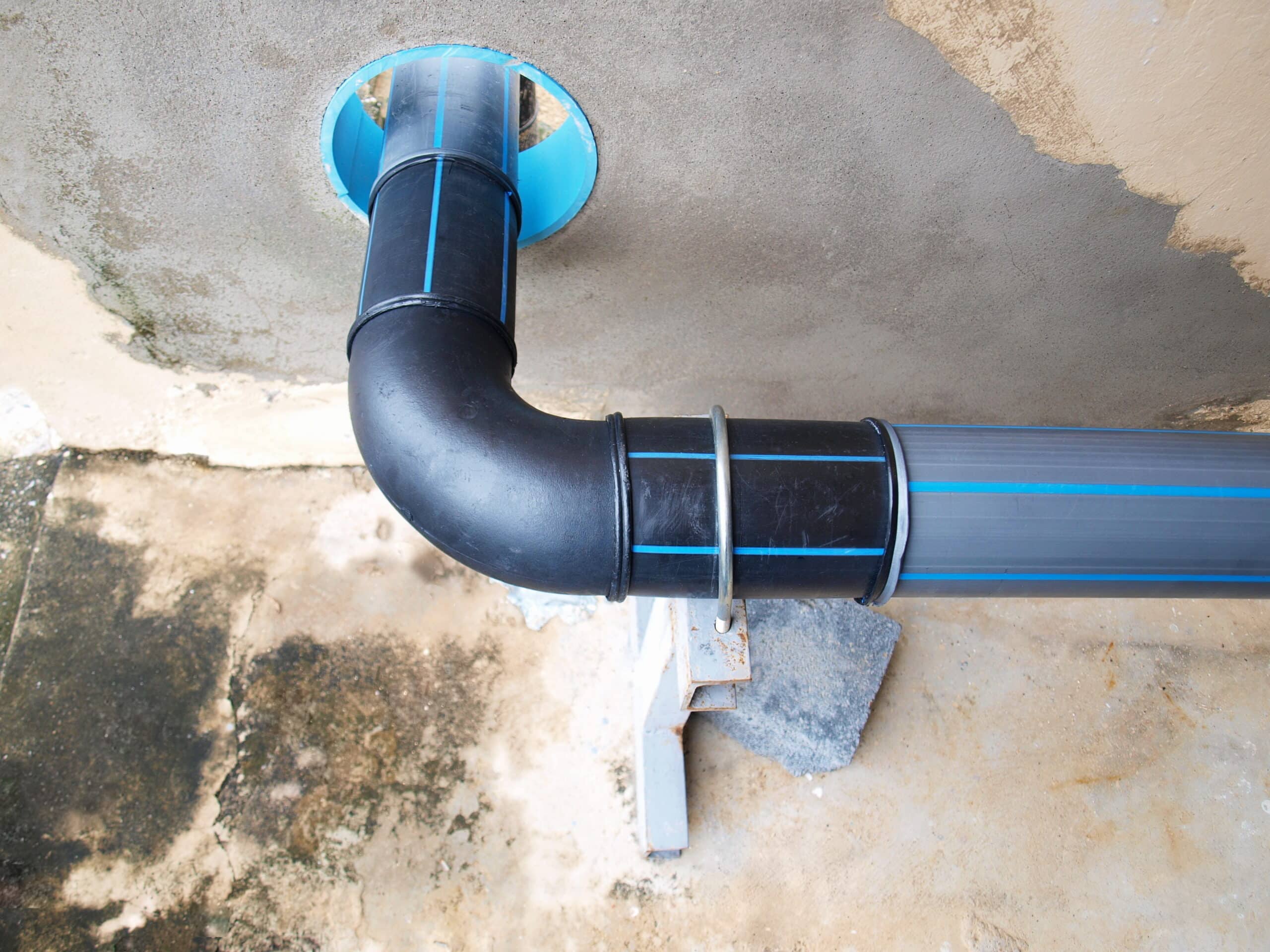
One of the ways homeowners may identify polybutylene is by its typical gray or blue-gray appearance. Some pipes may also have markings such as “PB” or “PB2110.” However, visual identification isn’t always conclusive, particularly when pipes are concealed or have been modified over the years.
However, don’t cut into walls, ceilings, or floors simply to look for hidden pipes. If you can’t determine what material your plumbing uses, a professional plumbing inspection in Tucson can provide a safer and more reliable assessment.
What Happens If Polybutylene Pipes Fail?
One of the biggest problems with aging polybutylene plumbing is that a failure can occur with little warning. A damaged pipe can release a substantial amount of water into your home, particularly if the break occurs on a pressurized supply line. Even a relatively small leak hidden behind drywall can cause extensive damage if it goes undetected.
If you’ve already experienced repeated leaks, noticed signs of deterioration, or discovered polybutylene throughout your home, don’t wait for a major failure before having the system evaluated.
Early assessment gives you an opportunity to understand the condition of your plumbing and consider your options before an emergency occurs.
Should You Replace Polybutylene Pipes?
If your Tucson home has polybutylene pipes, replacement may be worth considering, particularly when the plumbing is old, deteriorating, or experiencing repeated problems.
A plumber should evaluate the condition and configuration of your system before recommending a solution. Depending on the circumstances, replacing sections of damaged piping may be appropriate. In other situations, whole-house repiping may be the best long-term solution.
Modern repiping projects commonly use materials such as PEX or copper. The right choice depends on factors including your home’s plumbing layout, existing infrastructure, project requirements, and budget.
The goal isn’t simply to replace pipes because they’re old. It’s to determine whether the existing system presents a meaningful risk and identify the most practical solution for your home.
Protect Your Tucson Home with a Professional Plumbing Inspection
If you live in an older Tucson home and aren’t sure what type of water-supply piping you have, now is a good time to find out. At Curtis Plumbing, we can inspect your plumbing system, help identify polybutylene piping, assess visible signs of deterioration, and explain your options if replacement or repiping is appropriate.
Don’t wait for a hidden pipe failure to turn into an expensive plumbing emergency. Contact us today to schedule a professional plumbing inspection or discuss polybutylene pipe replacement and repiping in Tucson, AZ.
