

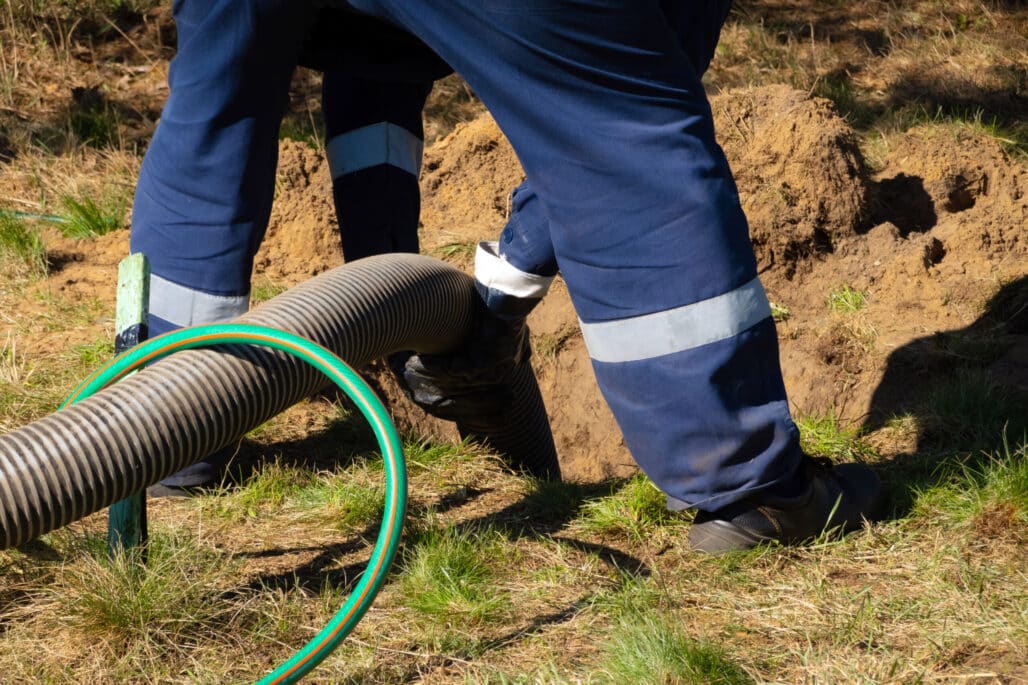
Septic tanks are a common domestic plumbing feature for homes not connected to the city or municipal sewer system. The septic system usually consists of a buried tank connected to the home’s pipes. As part of the wastewater treatment process, the septic system allows solid waste to sink to the bottom of the tank to be periodically pumped out.
Even the best-designed septic tank will eventually produce an odor or cause sewage back-up into the pipes if not properly maintained, including regular cleaning and pumping. Therefore, it is critical to regularly have your septic tank cleaned. This article explores some things you need to know about septic cleaning.
Why is Septic Tank Cleaning Important?
Everything that goes down your drain, including all kinds of wastewater, ends up in your septic tank. Essentially, your home pipes directly connect to the septic tank. Consequently, a full tank can be a major health hazard for your household, with filthy water or sewage backing up into the house, including the kitchen sink, toilet, and bathroom.
A full septic tank is usually due to a need for proper and routine maintenance. Besides the risk of making your family sick, you don’t want the resulting mess, hence the need to routinely clean up your septic tank.
Regularly pumping your septic tank every 3-5 years is the minimum for keeping your tank operating. Optimally, cleaning services will also come with inspections to make sure there are no leaks or cracks. Leaks and cracks can lead to sewage pooling in and around your take making for non-trivial health hazard for the home own and family. Under normal condition a home owner should expect a septic system to last around 30 years with smaller parts like pumps and drain field lasting 10 to 20 years.
More recent tanks can have effluent filters installed to prevent solid waste from getting into the leach field or drain field. these filters can often be hosed off until you can see through it. It is important to practice good hygiene by wearing gloves and washing up after. Each tank will be slightly different so feel free to consult the experts at Curtis plumbing if you have any questions.
The Rules of Septic Tank Maintenance
- You should know the exact location of your septic system, including the drain field.
- You should not drive or park on your drain field.
- You should only treat your septic system with an enzyme/bacteria treatment specifically for septic tanks.
- While you can plant grass over or near your drain field, you should avoid planting trees or shrubs as their deep roots can grow into the septic system and disrupt its normal functioning.
- You should have a professional inspect your septic system every three to five years and pump or clean it depending on its condition.
How Often Do You Need to Clean Your Tank?
While how often you need septic cleaning depends on several factors, plumbing professionals recommend pumping your septic system every three to five years. Factors that influence how often you should conduct septic cleaning includes;
- the size of your tank
- household size
- total waste generated by your household
- whether there are foreign objects in the wastewater
- whether you use chemicals, including enzymes, for tank maintenance
Even though you should pump your tank based on the recommended schedule or as needed, a septic tank maintenance expert can guide you on how frequently you need to pump and clean your tank.
Health & Safety Considerations for Your Septic System
Working around a septic system involves more risks than most homeowners realize. Even routine maintenance—like checking tank levels, inspecting the drain field, or using additives—should be approached with care. A septic tank contains concentrated wastewater, gases, and bacteria that can be harmful if handled improperly. Here are the most important safety considerations to keep in mind:
Avoid Opening the Septic Tank Yourself
Septic tanks contain gases such as methane and hydrogen sulfide, which can be:
-
Toxic when inhaled
-
Highly flammable
-
Capable of displacing oxygen and causing sudden loss of consciousness
The interior of a septic tank is considered a confined space, so only trained professionals should open or enter one.
Keep Children and Pets Away From System Components
Open lids, risers, or exposed piping can create fall hazards. Standing water or soggy soil near the drain field may also contain harmful bacteria. Always rope off or clearly mark the area during maintenance.
Never Use Chemical Cleaners or Additives Not Intended for Septic Systems
Harsh cleaners, paint thinners, bleach-heavy products, and drain chemicals can destroy the natural bacterial balance inside the tank. This may lead to:
-
System failure
-
Clogs and backups
-
Environmental contamination
Use only septic-safe cleaning products and follow manufacturer instructions.
Be Cautious Around Standing Water or Sewage Backups
If wastewater surfaces above the drain field or backs up into your home:
-
Avoid skin contact
-
Don’t attempt to fix the issue yourself
-
Ventilate any affected indoor areas
-
Call a professional immediately
Sewage exposure can spread pathogens that cause skin infections, gastrointestinal illness, and respiratory issues.
Protect the Drain Field Area
Avoid activities that can compact soil or damage underground components, including:
-
Parking vehicles on the drain field
-
Placing heavy structures like sheds or patios
-
Planting deep-rooted trees that may clog pipes
A healthy drain field is critical to safe system function.
Recognize When a Problem Requires a Professional
If you notice persistent odors, frequent pumping needs, wet spots, gurgling drains, or slow wastewater flow, it may indicate a structural or bacterial imbalance issue—something that DIY fixes cannot safely resolve.
frequently you may need to pump and clean your tank.
How to Know When to Clean Your Tank
Besides the industry-recommended schedule, your wastewater system can be a good indicator of when to clean your septic tank. For instance, you might notice water puddles in the bathroom or water draining slower from the kitchen sink.
Additionally, you may experience the presence of odors where the tank is located or from your pipes. There may also be odor around your drains.
Another indicator that your tank is due for pumping or cleaning is when it begins to overflow. Septic tank overflow is usually characterized by pools of water and waste around the location of the tank. It is, therefore, critical to know the exact location of your septic tank to be on the lookout for an overflow.
If you suspect that your septic tank might be due for a cleaning, you can contact our septic tank experts at Curtis Plumbing. We are a leading plumbing company in Tucson, Arizona. We are committed to solving all your septic tank needs, including cleaning, inspections, maintenance, and repairs. Contact us today for an emergency fix, to book an appointment, or to ask about our services.
